
Description
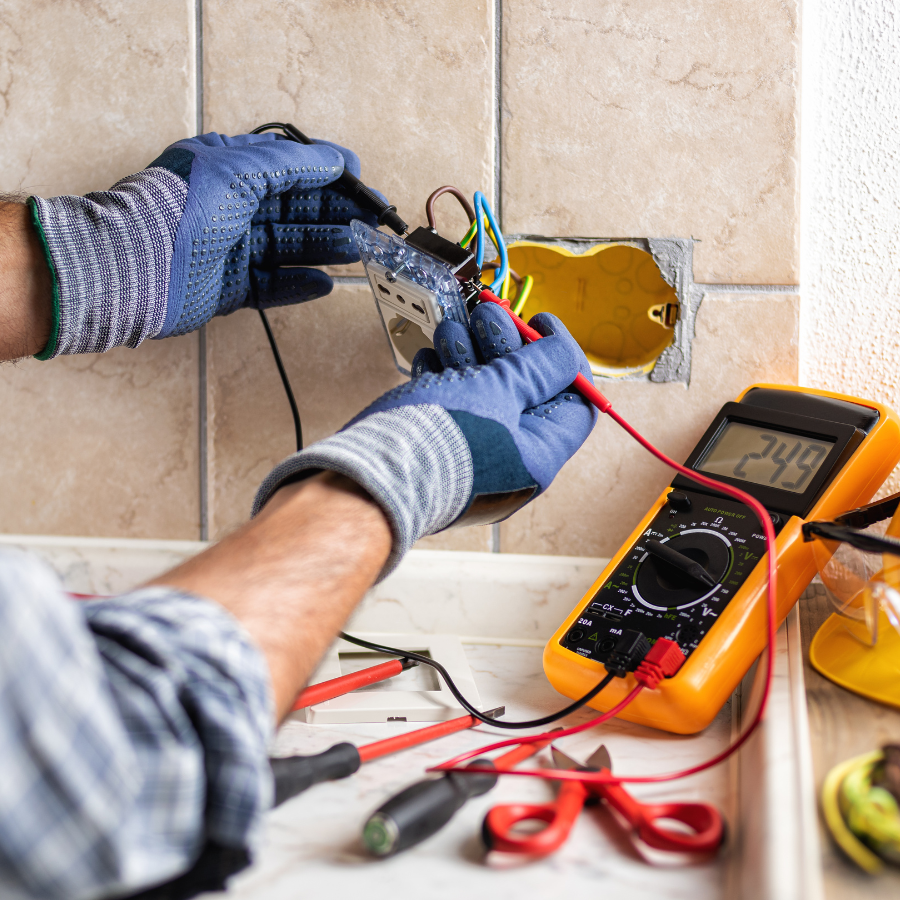
Electrical Safety at Work is critical for preventing accidents, injuries, and fatalities related to electricity in workplaces. Proper safety measures, practices, and regulations must be followed to protect workers and maintain a safe environment.
Here are key principles for Electrical Safety at Work:
1. Proper Training and Awareness
•Ensure all employees working with or around electricity are properly trained on electrical hazards and safety procedures.
•Regular refresher courses should be held to keep workers updated on new safety guidelines and technologies.
2. Personal Protective Equipment (PPE)
•Use appropriate PPE when working with electricity, including rubber gloves, insulating mats, helmets, eye protection, and flame-resistant clothing.
•PPE should be inspected regularly to ensure it’s in good condition.
3. Lockout/Tagout (LOTO) Procedures
•Lockout/tagout procedures should be followed when servicing or repairing electrical equipment. This ensures that the electrical system is de-energized and cannot be accidentally turned on while work is being performed.
•Equipment should be tagged, and workers should ensure that all power sources are isolated before starting any electrical work.
4. Proper Equipment and Tools
•Use electrical tools and equipment that are rated for the specific voltage and current to ensure safety.
•Tools should be insulated and maintained properly to prevent electrical shock or fires.
5. Regular Inspections
•Electrical systems and equipment should be inspected regularly for wear, damage, or other hazards. Inspections help identify problems before they lead to accidents.
•Inspect electrical cords, outlets, switches, and electrical panels to ensure they are in good working order.
6. Safe Work Practices
•Always maintain a safe distance from live electrical circuits. Workers should never attempt to work on live electrical systems unless they are trained and have the proper tools.
•Ensure that all electrical circuits are grounded and have proper wiring.
7. Emergency Procedures
•Ensure that workers know what to do in case of an electrical accident, such as electric shock or fire. Emergency protocols should be practiced regularly.
•First aid and CPR training should be available for all employees to respond to electric shock incidents.
8. Electrical Hazard Signage
•Display clear warning signs near electrical panels, power sources, and areas where electrical work is being done.
•Use signs and labels that indicate the presence of high-voltage areas and electrical hazards.
9. Safe Installation Practices
•All electrical installations should comply with national electrical codes and industry standards to prevent faulty wiring or unsafe setups.
•Ensure proper grounding of electrical equipment and conductors.
10. Reporting Hazards
•Employees should report any electrical hazards or damaged equipment immediately to supervisors.
•Hazardous conditions should be fixed as soon as possible to prevent accidents.
Regulatory Standards:
•In many countries, organizations must comply with safety regulations such as:
• Occupational Safety and Health Administration (OSHA) regulations (for the U.S.)
• National Fire Protection Association (NFPA) standards
• Institute of Electrical and Electronics Engineers (IEEE) codes
• National Electrical Code (NEC)
By following these guidelines, workplaces can minimize electrical hazards and create a safer environment for employees.


Reviews
There are no reviews yet.